
Concept
Historical Inspiration
The ichirin project draws inspiration from a legendary encounter between two towering figures of 16th-century Japan:
Sen no Rikyū (千利休), the tea master who perfected the art of simplicity, and Toyotomi Hideyoshi (豊臣秀吉), the warlord who unified Japan.
The Tale of One Morning Glory
One day, Hideyoshi heard that morning glories were blooming magnificently in Rikyū’s tea garden.
Eager to witness this spectacle of nature’s abundance, the powerful warlord sent word that he would visit in a few days to admire the flowers over tea.
When Hideyoshi arrived at the garden, he was shocked—and angered. Every single morning glory had been cut down. The garden was bare. Furious at what he perceived as disrespect, Hideyoshi stormed into the tea room, ready to confront his tea master.
There, in the tokonoma alcove—the most honored space in a Japanese tea room—stood a single morning glory, perfectly arranged in a simple vase. Its solitary beauty commanded the entire room.
Rikyū spoke quietly: “You, who seek to unify all of Japan, why would you be interested in the multitude? To truly stand above all, you must become like this morning glory—singular, distinctive, unforgettable.”
※Various versions of this story exist in historical records
From Multitude to Singular Focus
Rikyū’s radical act—destroying a garden of flowers to elevate just one—embodies the essence of wabi-sabi and the power of focused attention.
By removing the distraction of abundance, he revealed the profound beauty that exists in the individual.
This philosophy guides my work. In an age of infinite images and constant visual noise, ichirin asks viewers to slow down, to look deeply, to find the extraordinary within the singular. One flower.
One life. One journey from beginning to end.
Just as Rikyū transformed Hideyoshi’s understanding through the power of one morning glory, I hope each ichirin series invites viewers to discover the remarkable story contained within a single flower’s brief existence—and perhaps, to reflect on their own.
Artist Statement
“In our modern world, we are conditioned to pursue perfection and permanence—to preserve youth, to maintain beauty, to resist change. Yet nature teaches us something different. A flower does not grieve as its petals brown and fall. It simply transforms, fulfilling its purpose in every moment of existence.
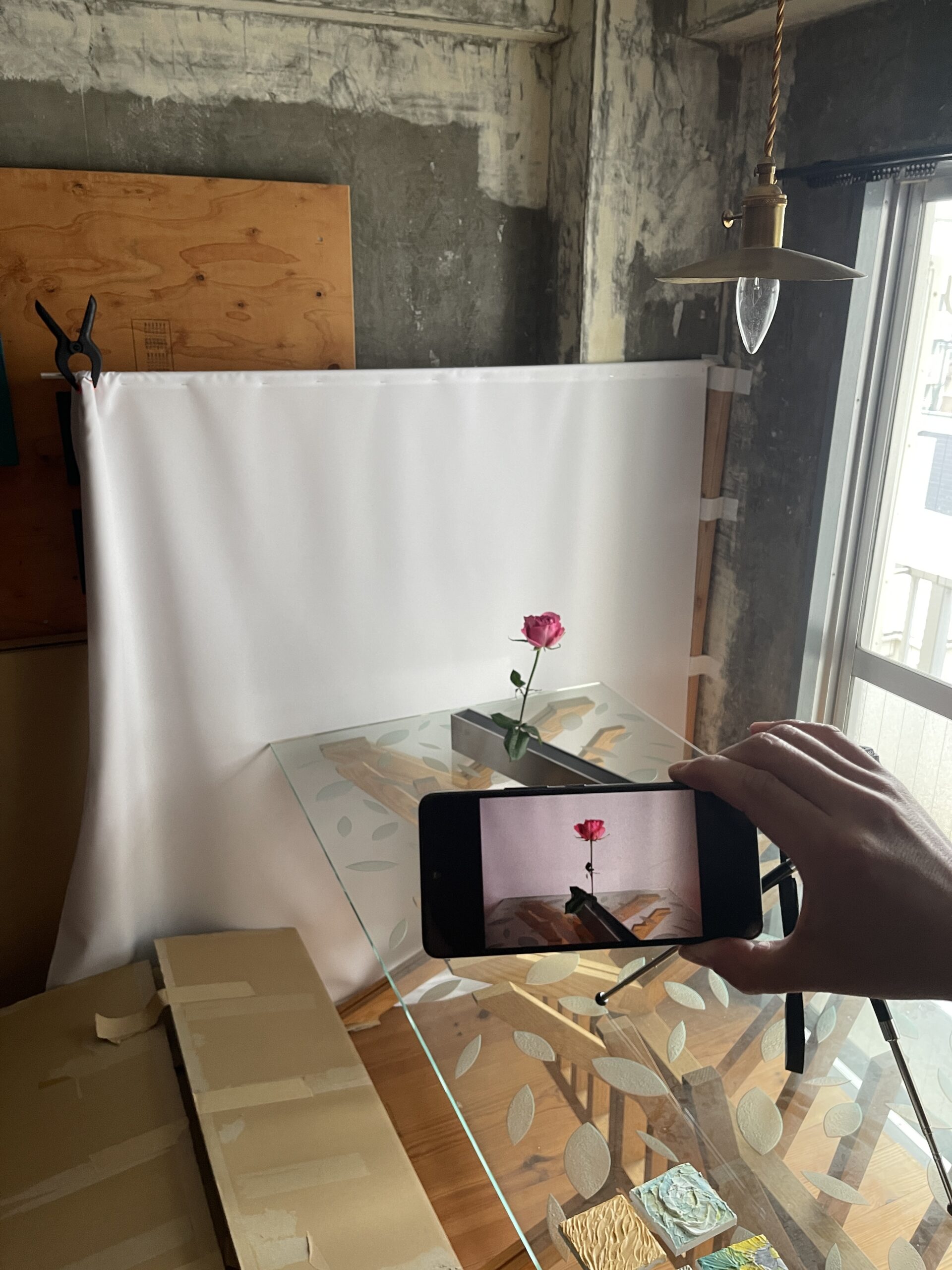
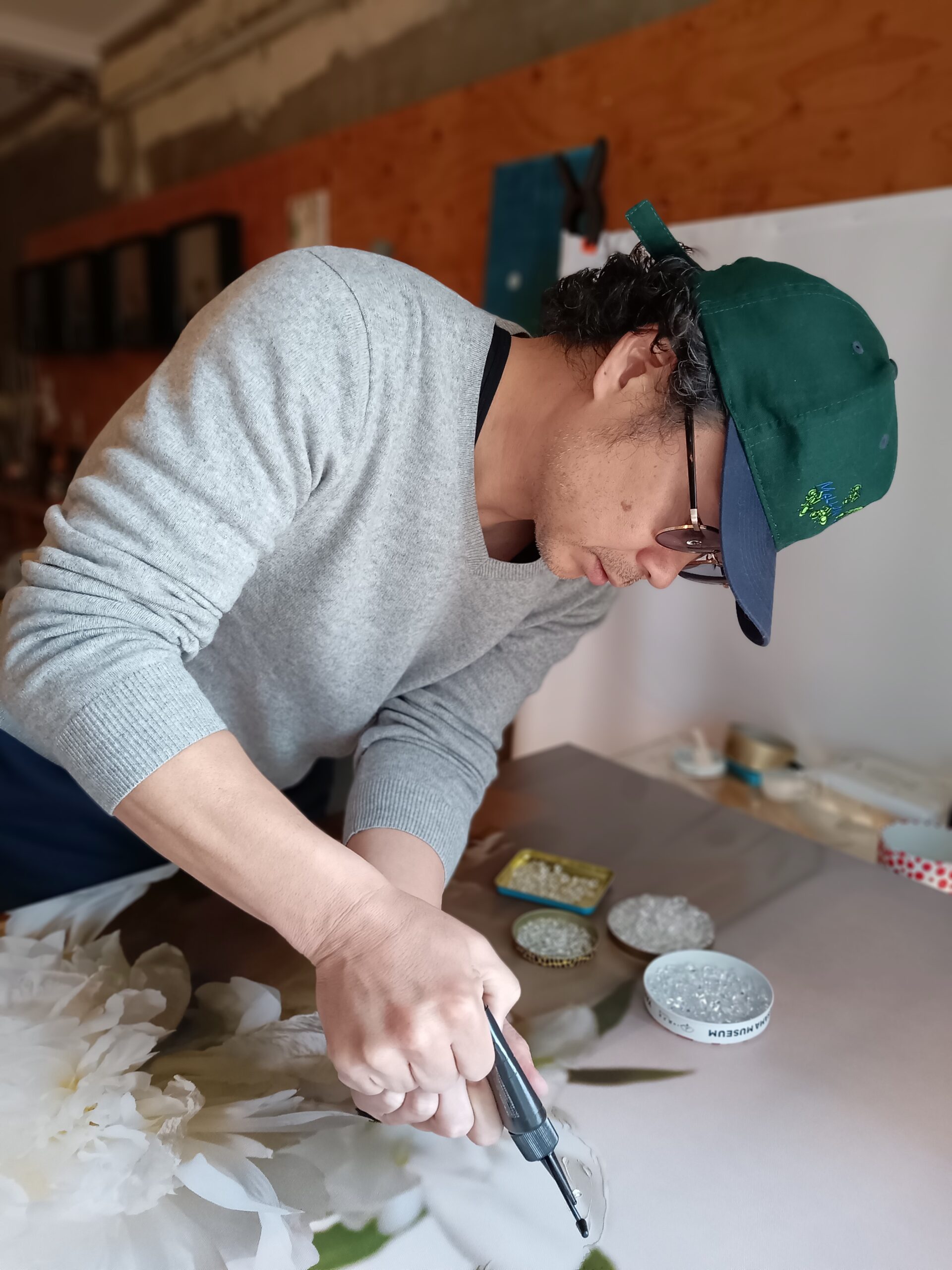
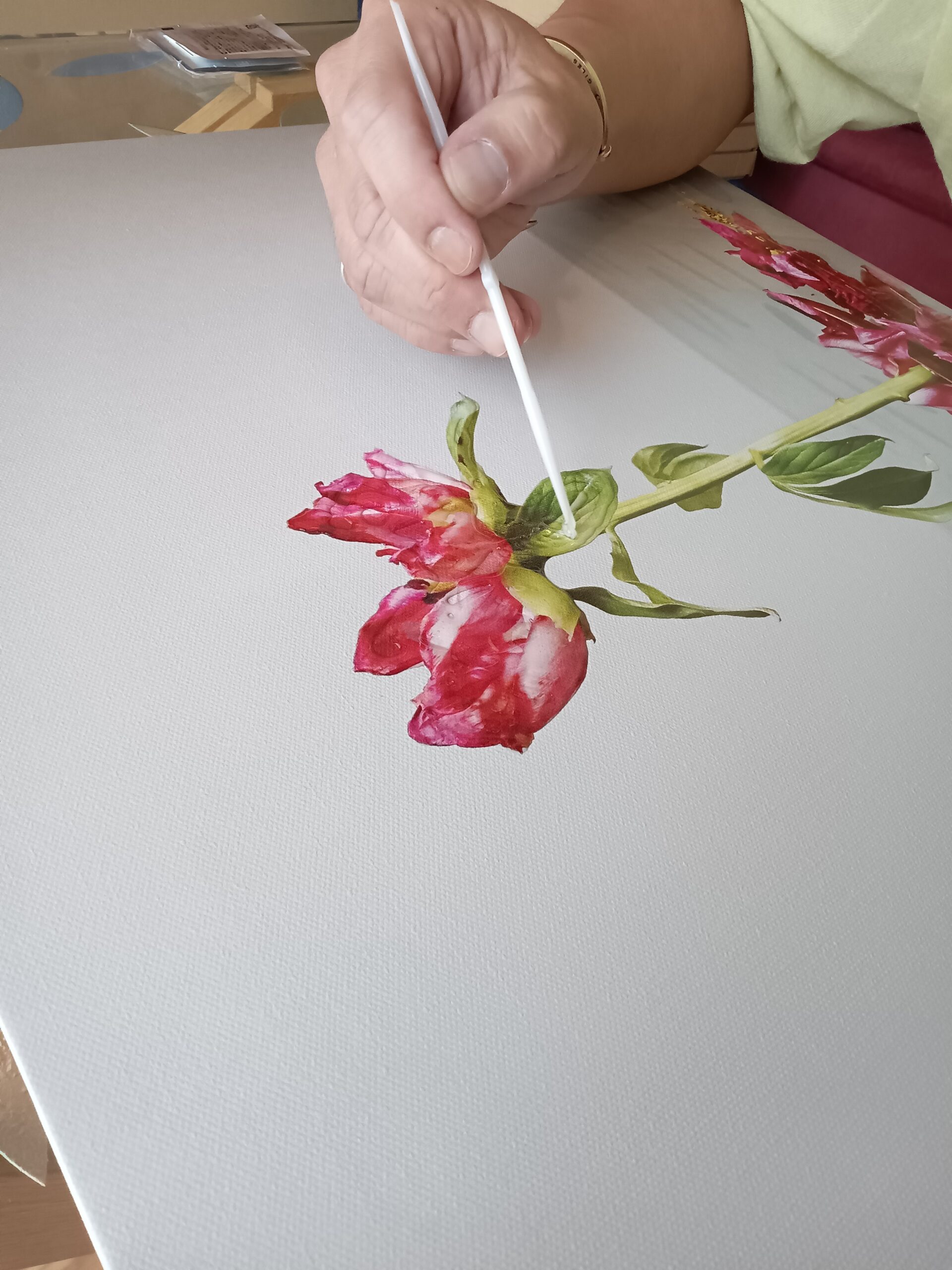
Through the ichirin project, I document this transformation with reverence and patience. Each photograph is taken at the same time each day, in the same light, creating a visual diary of change. What emerges is not a story of loss, but of continuous becoming—a reminder that every ending is part of an eternal cycle.
I view each flower as a metaphor for an individual life—its unique brilliance, its rise and fall, its cycle of flourishing and fading. Beauty exists not only in the moment of full bloom, but in every stage of being. Each photograph captures the profound truth that magnificence is present in all phases of existence.
Philosophical Foundation
The ichirin project is deeply rooted in Japanese aesthetic and philosophical traditions that have guided artists for centuries.
無常
Mujō
Impermanence
The fundamental Buddhist concept that all things are in constant flux.
Nothing in this world is permanent—all phenomena arise, change, and pass away.
This understanding frees us from attachment and opens us to the present moment.
“The cherry blossom falls even in a windless moment.”
侘び寂び
Wabi-Sabi
Beauty in Imperfection
A worldview centered on the acceptance of transience and imperfection.
Wabi-sabi sees beauty in things that are incomplete, modest, and humble.
It celebrates the marks of age and wear as evidence of authentic existence.
“Nothing lasts, nothing is finished, and nothing is perfect.”
物の哀れ
Mono no aware
The Pathos of Things
A bittersweet awareness of the impermanence of all things and a gentle sadness at their passing.
It is the emotional response to the transient nature of beauty—a deep empathy with the ephemeral.
“To see the world as it truly is, to accept its transience with grace.”